

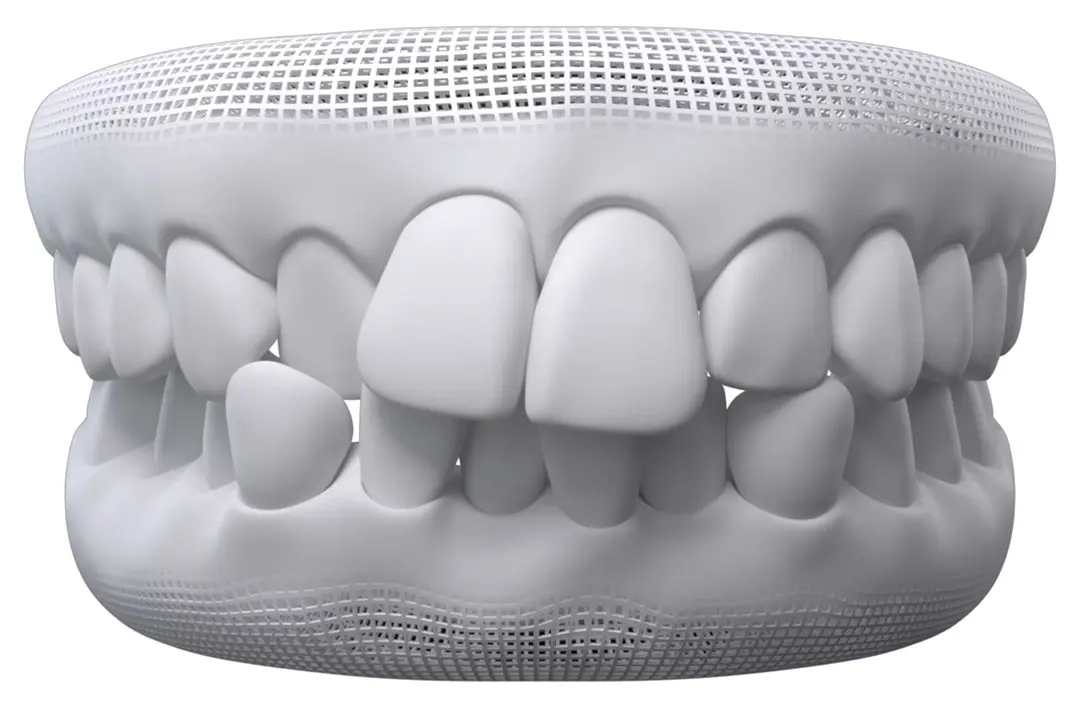
Understanding Lower Jaw Crowding and Posterior Teeth
One of the most common reasons patients seek orthodontic treatment is crowding of the teeth. While some patients have naturally large teeth, most crowding occurs because the jaw is too small to accommodate all the teeth comfortably. Understanding lower jaw crowding is an important step in your orthodontic journey.
Crowding in the front of the mouth is usually noticeable, with overlapping or crooked teeth. However, crowding in the back of the mouth, particularly in the lower jaw, is less obvious and often goes undiagnosed. This condition is called posterior crowding.
Problems with Lower 12-Year Molars
When the lower jaw is smaller than the upper, the front teeth often show excessive overbite or visible crowding. Posterior crowding, however, tends to affect the second molars (12-year molars).
- Impacted or partially erupted second molars are a common sign of posterior crowding.
- While impacted molars are easily seen on X-rays, subtle crowding that delays molar eruption may go unnoticed without careful evaluation.
Common Approach: Removing Bicuspids
When crowding affects both the upper and lower arches, orthodontists often remove bicuspids (premolars) to create more space.
- Removing bicuspids helps align the front teeth and also creates room for the second molars in the back.
- This approach is generally effective when crowding is visible in the front of the mouth.
When Bicuspids Can’t Be Removed
In some cases, removing bicuspids isn’t ideal:
- There is little or no front crowding.
- The front teeth are upright and should not be moved back.
- The patient has an excessive overbite.
In these situations, removing teeth could worsen the bite and the smile’s appearance. So, what are the alternatives?
Challenges of Moving Lower Molars Forward
Some orthodontists may try to move lower first molars forward to make space for the second molars. However:
- Molars are twice as wide as bicuspids and have large roots, making movement slow and difficult.
- Even with advanced techniques like temporary anchorage devices (TADs), moving molars forward can be unpredictable.
- Healthy bicuspids may still need to be removed to create adequate space.
This makes molar-forward movement a less-than-ideal solution in many cases.
Treatment Options for Crowded Lower Second Molars
If posterior crowding remains after orthodontic treatment, there are a few options:
- Extraction of Second Molars – If the molars are impacted or don’t have enough room to erupt, they can be extracted similar to bicuspids or wisdom teeth.
- Gingival Adjustment – If the molars are partially erupted but covered with gum tissue, the tissue often recedes naturally over time.
- Surgical or Periodontal Intervention – In rare cases where tissue does not improve, a periodontist, oral surgeon, or general dentist can remove excess tissue to expose the full tooth surface.
Key Takeaway
Posterior crowding in the lower jaw is common and can affect the eruption of the second molars. Early evaluation by an orthodontist is important to determine the best treatment plan, which may include creating space, careful monitoring, or targeted extractions.
At Joe Orthodontics, we specialize in comprehensive evaluations and customized treatment plans to address both visible and hidden crowding, ensuring healthy, well-aligned smiles for patients in Victorville, Hesperia, and Apple Valley.
Schedule a free consultation today to see how we can help manage lower jaw crowding and create the best results for your smile.