

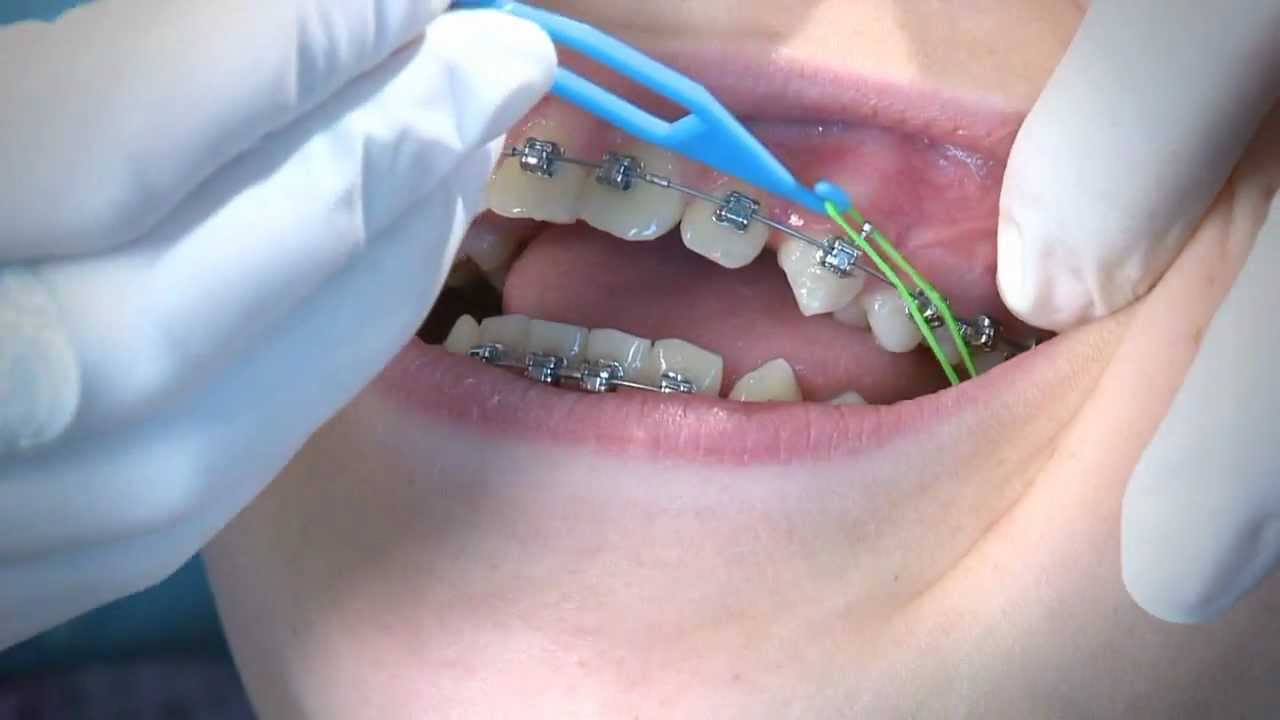
Orthodontic Rubber Bands: Why They’re Used and How to Get the Best Results At Joe Orthodontics, we’re here to help.
One of the most common tools orthodontists use to correct your bite is orthodontic elastics, also known as rubber bands. But why are they necessary, how do they work, and how long should you wear them?
Orthodontic Rubber Bands: Braces and Aligners Straighten Teeth, Rubber Bands Fix the Bite
Both braces and clear aligners (like Invisalign) are excellent for straightening teeth. Braces use wires attached to brackets to move teeth, while aligners use a series of custom plastic trays that gradually shift teeth into position.
However, aligning the teeth alone does not always fix the bite—how the upper and lower teeth meet. That’s where rubber bands come in. They connect the upper and lower teeth, guiding the jaw into proper alignment.
Why Orthodontic Elastics Are So Effective
Elastics are a preferred bite-correction tool for several reasons:
- Discreet: Tooth-colored elastics blend in, though kids often enjoy fun colors.
- Flexible: They allow normal jaw movement for talking, yawning, and chewing.
- Easy to Use: Patients can remove them for eating and brushing, then replace them daily.
- Versatile: Rubber bands can correct overbites, underbites, crossbites, and open bites.
- Cost-Effective: Elastics are more affordable than other bite-correcting devices.
How Long Should You Wear Rubber Bands?
Full-time wear is critical for elastics to work. They rely completely on patient cooperation. Here’s what we recommend: When it comes to orthodontic rubber bands, having the right information makes all the difference.
- Wear your rubber bands 23 hours a day, only removing them to eat or brush.
- Wearing elastics nights only (8 hours) is usually ineffective because any progress often reverses when the bands aren’t in place.
- Wearing them more than half the day (12+ hours) may show some improvement but much slower than full-time wear.
Our advice to patients is simple: “Wear your rubber bands full-time, except when eating or brushing.” Those who follow this see faster, more predictable results.
Potential Side Effects of Elastics
Rubber bands are highly effective, but they apply force to both the upper and lower teeth. This can sometimes cause unintended movements:
- Forward movement of the lower teeth when the goal is to move the upper teeth backward
- Changes in bite depth (creating or worsening an open bite)
- Increased gum show if teeth move downward or upward unexpectedly
Because of these possibilities, it’s important to have an experienced orthodontist monitor your treatment. Using elastics incorrectly can turn a simple bite issue into a more complex problem.
Tips for Success
- Wear your elastics exactly as instructed.
- Replace them daily to maintain consistent force.
- Notify your orthodontist immediately if you notice unwanted changes in your bite or smile.
When used correctly, orthodontic rubber bands are one of the most effective tools for achieving a straight, healthy, and functional bite.
Serving the High Desert: Our practice proudly provides expert orthodontic care for patients in Victorville, Hesperia, and Apple Valley, helping children, teens, and adults achieve beautiful, functional smiles.