Why Has Your Child’s Permanent Tooth Not Come In? At Joe Orthodontics, we’re here to help. Understanding delayed permanent tooth is an important step in your orthodontic journey.
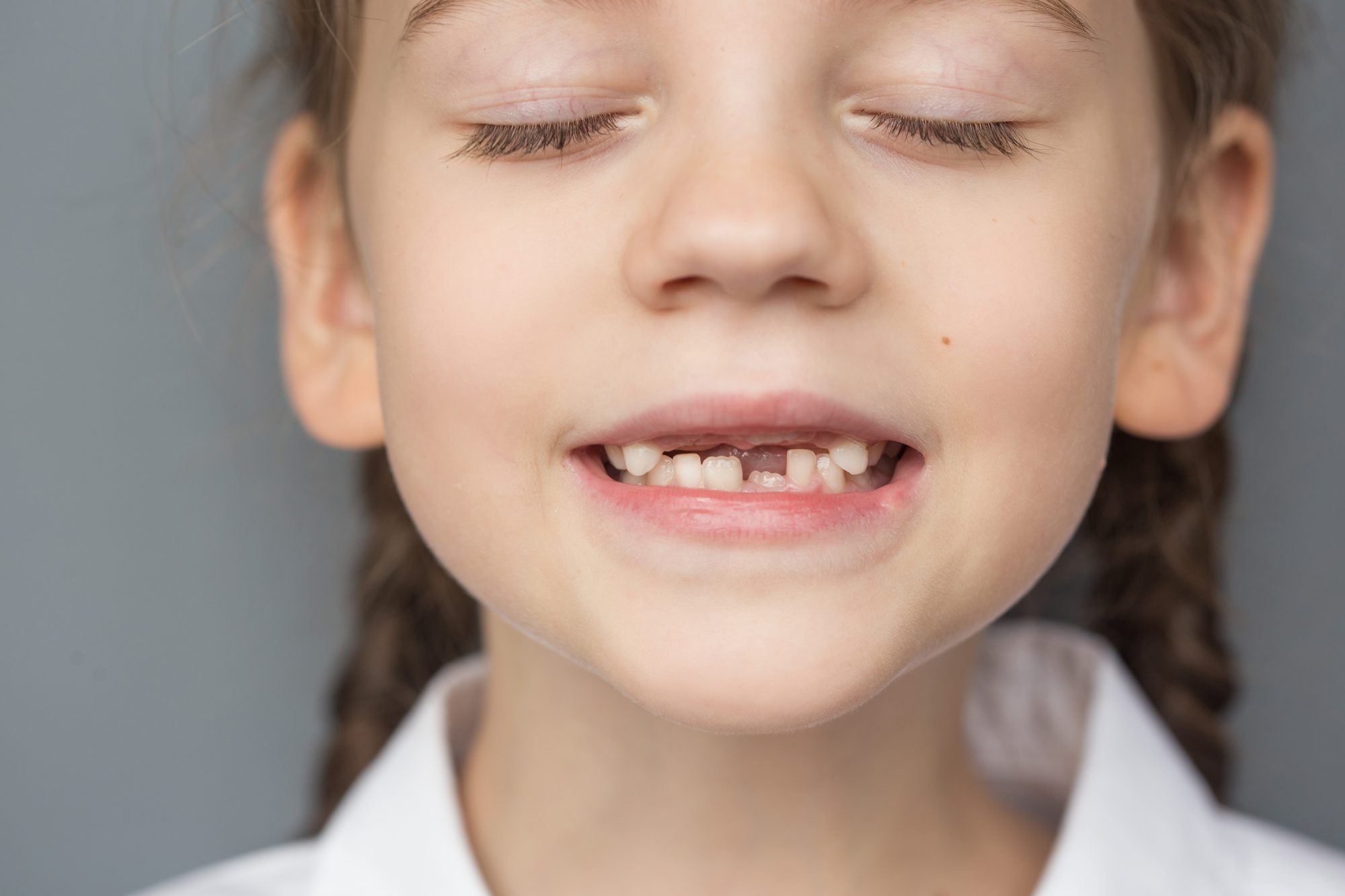
If your child lost a baby tooth months ago and the permanent tooth hasn’t erupted, it can be concerning. While this is often normal, there are a few common and rare reasons why permanent teeth may be delayed.
Delayed Permanent Tooth: 1. Lack of Space
For a permanent tooth to erupt properly, there must be enough space in the dental arch. Permanent teeth, especially in the front, are wider than baby teeth. Ideally, when a baby tooth is lost, there should be extra space on either side to allow the permanent tooth to come in straight.
- Why it happens: Sometimes, teeth may appear “perfect” before the baby tooth falls out, but healthy spacing should exist by age six. If there isn’t enough room, the permanent tooth may remain stuck.
- What can help: Orthodontic treatment can create space and guide the permanent teeth into their proper positions.
2. Teeth That Are “Off Course”
Even with adequate space, a permanent tooth may not erupt in the right direction. This is common with:
- Upper canines
- Lower second bicuspids
In these cases, the tooth may veer off course and grow in the wrong location. Early detection is important—sometimes removing a baby tooth can help guide the permanent tooth correctly. If the tooth doesn’t move naturally, orthodontic intervention is usually necessary to guide it into place. When it comes to delayed permanent tooth, having the right information makes all the difference.
3. Less Common Causes
While space and misalignment are the most frequent reasons for delayed eruption, there are three rare conditions to consider:
- Missing permanent teeth: Sometimes, the permanent tooth never develops. The baby tooth may remain in place indefinitely unless replaced with an implant or bridge.
- Primary failure of eruption: Permanent teeth are present but fail to erupt naturally. This usually affects multiple teeth and often requires a combination of braces and oral surgery, with treatment lasting three or more years.
- Ankylosis: Teeth can sometimes fuse to the jawbone, preventing eruption. In some cases, surgery may help, but often the tooth must be left in place or removed.
When to See an Orthodontist
If your child has lost a baby tooth and the permanent replacement hasn’t appeared, a specialist evaluation is recommended. Orthodontists receive two to three extra years of training beyond dental school to diagnose and treat issues with tooth development.
Families in Victorville and the High Desert trust Joe Orthodontics for expert orthodontic care. Contact us today to schedule your free consultation.
Even if no problem is found, an orthodontic exam provides peace of mind and ensures your child’s teeth are developing properly.